



Chris Crain Dodge Jeep RAM Benton

Blog

Winter Car Prep Checklist for Hot Springs Drivers

2027 Jeep Wrangler for Sale in Hot Springs, AR

Winters in Hot Springs are usually mild, but that doesn't mean your car gets a break. One night it's 55 degrees, and the next morning there's frost on the windshield. Every so often, freezing rain or a light snow turns the hills around Lake Hamilton and Hot Springs Village into slick, tricky roads.

Those quick temperature swings are hard on a vehicle. Cold mornings drain batteries, lower tire pressure, and thicken fluids. The good news is that a little prep now can save you from a dead battery or a slide on an icy curve later.

The service team at Chris Crain Dodge Jeep Ram in Hot Springs put together this simple checklist to help you get ready. Doesn’t matter if you drive a Jeep Wrangler, a Ram 1500, or a Dodge Durango; these steps will help keep you safe all season long.

TL;DR: Your Winter Car Prep Checklist

-Test your battery
-Check tire pressure and tread
-Top off coolant, washer fluid, and oil
-Replace worn wiper blades
-Inspect your brakes
-Make sure all lights work
-Test your heater and defroster
-Pack a winter emergency kit

1. Test Your Battery

Your battery is the part most likely to let you down on a cold morning. Low temperatures slow the chemical reaction in a battery, so it produces less power just when your engine needs more to start.

Most car batteries last about three to five years. If yours is in that range, or your engine has been cranking slowly, it's time for a test. Our technicians can check your battery's health in just a few minutes and, if needed, replace it with a quality Mopar battery. You can schedule service online at a time that works for you.

2. Check Your Tire Pressure and Tread

Tire pressure drops about 1 PSI for every 10 degrees the temperature falls. That means tires that were fine in October may be low by December. Low tire pressure wears out tires faster, hurts your gas mileage, and reduces grip on the road.

Check your pressure once a month and fill your tires to the number listed on the sticker inside your driver's door. Don't use the number on the side of the tire, because that's the maximum, not the target.

Next, check your tread. Put a penny in the tread with Lincoln's head facing down. If you can see the top of his head, your tires are worn and should be replaced before winter weather hits. Good tread matters a lot on wet, icy, or hilly roads like the ones around Hot Springs.

3. Top Off Your Fluids

Cold weather is tough on the fluids that keep your vehicle running. Here's what to check:

-Coolant (antifreeze): Coolant prevents your engine from freezing when temperatures drop. Make sure the level is between the "min" and "max" lines, and have the mix tested if you're not sure it's right.
-Windshield washer fluid: Switch to a winter blend that won't freeze. Regular fluid or plain water can freeze in the lines on a cold morning.
-Oil: If you're close to your next oil change, get it done before winter. Clean oil flows better on cold starts and protects your engine.

The Mopar Express Lane makes this easy. You can get an oil change, fluid top-off, and quick inspection without an appointment. Learn more about our Express Lane service.

4. Replace Worn Wiper Blades

Wiper blades usually last six months to a year. Arkansas summers are hard on the rubber, so by winter your blades may be cracked or stiff. If they streak, skip, or squeak, replace them.

Winter brings more rain, sleet, and road spray, so you'll want to see clearly. New blades are cheap and only take a few minutes to install.

5. Inspect Your Brakes

Wet and icy roads mean you need your brakes to work their best. Watch for these warning signs:

-Squealing or grinding noises
-A soft or spongy brake pedal
-Your vehicle pulling to one side when you stop
-A brake warning light on your dashboard

If you notice any of these, have your brakes checked right away. Driving down steep hills on worn brakes is never a good idea.

6. Make Sure All Your Lights Work

Winter days are shorter, so you'll likely drive in the dark more often. Walk around your vehicle and check your headlights, taillights, brake lights, and turn signals. Ask a friend to help you check the brake lights.

If your headlights look yellow or cloudy, a headlight restoration kit or new lens can make a big difference in how far you can see at night.

7. Test Your Heater and Defroster

Don't wait until the first freezing morning to find out your heater isn't working. Turn on your heat and defroster now to make sure they blow warm air and clear your windshield quickly.

If your heater blows cold air, it could mean low coolant, a bad thermostat, or another problem. Our certified service technicians can find the cause and get it fixed.

8. Pack a Winter Emergency Kit

Even in Hot Springs, an ice storm can leave drivers stuck on the side of the road. Keep a small kit in your vehicle with these items:

-Ice scraper and snow brush
-Blanket and extra gloves
-Flashlight with extra batteries
-Jumper cables or a portable jump starter
-Phone charger
-Bottled water and snacks
-First aid kit
-A small bag of sand or kitty litter for traction

Also, try to keep your gas tank at least half full. This helps prevent moisture from freezing in the fuel lines and gives you more time to stay warm if you get stuck.

Get Winter-Ready at Chris Crain Dodge Jeep Ram in Hot Springs

You don't have to work through this checklist alone. Our certified technicians know Dodge, Jeep, and Ram vehicles inside and out. We can test your battery, check your tires and brakes, top off your fluids, and spot small problems before they turn into big repairs.

Want to save on your visit? Be sure to check our latest service and parts specials before you come in.

And if your current vehicle isn't up for another winter, our team can help you find a dependable new ride. A 4x4 Jeep or Ram is a smart pick for icy hills and rough weather.

Visit us at 4722 Central Avenue in Hot Springs, call our service department at 501-777-9222, or schedule your winter service appointment online today. A few minutes of prep now can keep you safe and moving all winter long.
Recommended Posts

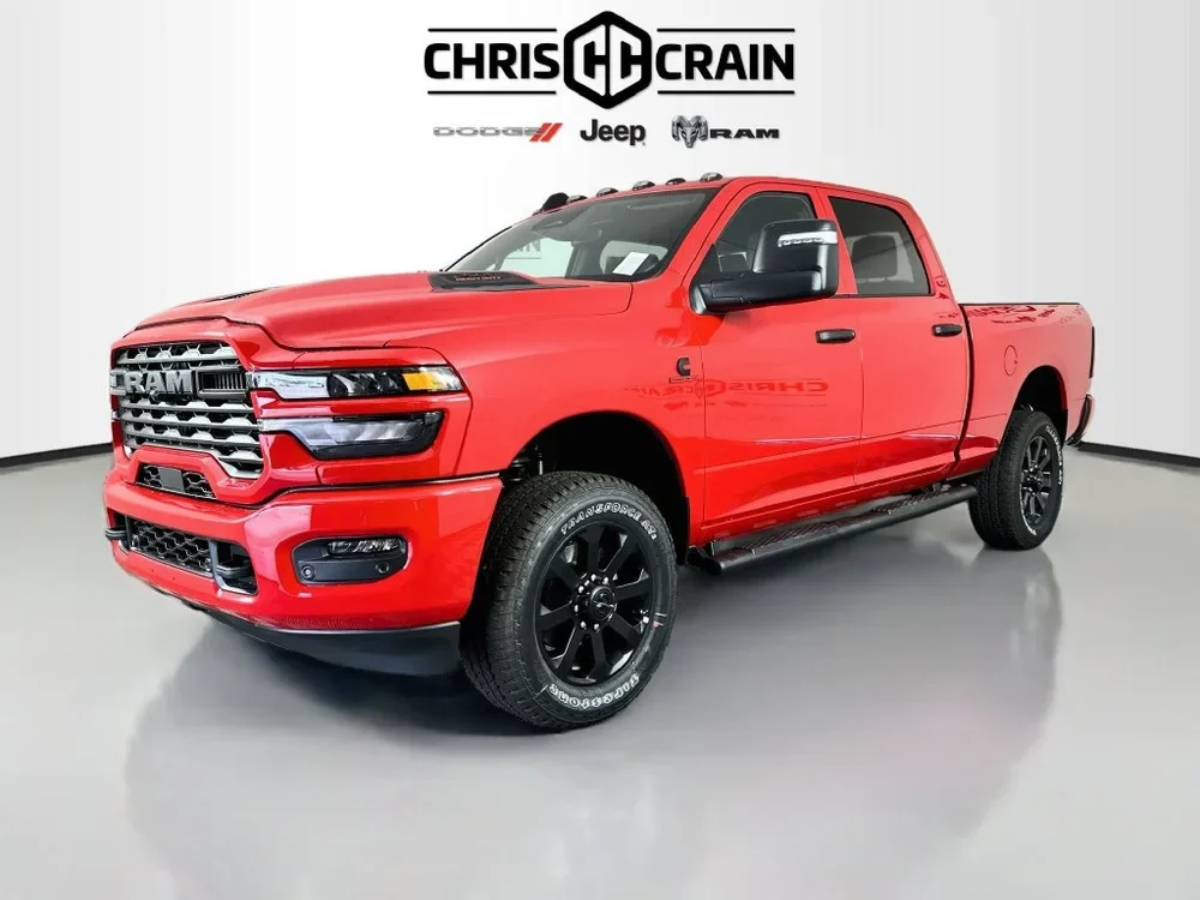
2027 RAM 2500 for sale in Benton, AR

How Often Should You Change the Oil in Your Jeep, Ram, or Dodge?

If you grew up hearing "change your oil every 3,000 miles," you're not alone. That rule was common for years. But today's Jeep, Ram, and Dodge vehicles are built differently, and most of them can go much longer between oil changes. So how often should you really change your oil? The answer depends on your vehicle and how you drive it. Our team at Chris Crain Dodge Jeep Ram in Benton broke down the manufacturer's recommendations so you can keep your engine healthy without guessing. TL;DR: Quick Oil Change Facts -Most newer Jeep, Ram, and Dodge vehicles have an Oil Change Indicator that tells you when oil service is due. -When the "Oil Change Due" or "Oil Change Required" message appears, Mopar recommends getting service within the next 500 miles. -Mopar says that under normal driving, most vehicles average about 7,500 miles between oil changes. -Mopar says you should never go more than 10,000 miles or 12 months between oil changes, whichever comes first. -Towing, short trips, idling, dusty roads, and very hot or cold weather can mean you need oil changes sooner. -Always check your owner's manual for the exact schedule for your model and engine. Is the 3,000-Mile Rule Still True? For most modern vehicles, no. Mopar, the parts and service brand for Chrysler, Dodge, Jeep, and Ram, says the old "every three months or 3,000 miles" rule is outdated for most vehicles today. That's because engines and motor oils have improved a lot. Mopar says most modern Chrysler, Dodge, Jeep, and Ram vehicles require synthetic oil, which lasts longer and holds up better than older oils. Still, how you drive matters; some driving habits can mean you need oil changes more often. How the Oil Change Indicator Works Most newer Jeep, Ram, and Dodge vehicles come with an automatic Oil Change Indicator system. Instead of using a fixed mileage limit for every driver, this system considers how your engine is actually used. When it's time for service, you'll see a message on your dashboard such as "Oil Change Due" or "Oil Change Required." According to Mopar, you should have your vehicle serviced within the next 500 miles after that message appears. The owner's manual also notes that the system keeps track of engine run time. If your engine runs for 350 hours, the message will turn on even if you haven't driven many miles. This matters for drivers who spend a lot of time idling, like work truck owners. After your oil change, the indicator needs to be reset. If you have your oil changed at an authorized dealer like ours, the technician will reset it for you. The Maximum Time Between Oil Changes Even if the Oil Change Indicator hasn't come on yet, there's still a limit. Mopar says you should never go more than 10,000 miles or 12 months between oil changes, whichever comes first. That means if you don't drive much, you still need an oil change at least once a year. Oil breaks down over time, even when your vehicle is parked. Keep in mind that some models have different limits. For example, heavy-duty Ram trucks and diesel engines may follow a different schedule. Your owner's manual lists the exact interval and oil type for your vehicle. Driving Habits That Can Mean Earlier Oil Changes Mopar lists several driving habits that can shorten the time between oil changes: -Stop-and-go city driving or a lot of idling -Towing a trailer or hauling heavy loads -Very hot or very cold weather -Dusty roads -Hilly or mountainous driving The owner's manual also lists frequent short trips. If you use your Ram to tow a boat to Lake Ouachita or take your Jeep down dusty back roads, your oil may need changing sooner. The good news is your Oil Change Indicator takes many of these conditions into account. Some owners' manuals also list a shorter oil change interval for severe-duty use, so check yours. Check Your Oil Level Once a Month The owner's manual recommends checking your engine oil level once a month or before a long trip. Here's how Mopar says to do it: Park on level ground and turn off the engine. Wait 5 to 10 minutes so the oil can settle. Pull out the dipstick, wipe it clean, and push it all the way back in. Pull it out again and look at the oil level. It should be within the crosshatch area. If the level is low, add the oil type listed in your owner's manual. Warning Signs Your Oil Needs Attention Mopar lists these signs that your engine may be low on oil: -Decreased performance -Lower fuel economy -Engine noise or overheating -Blue or gray smoke from the exhaust -A burning oil smell Also pay attention to the red oil pressure warning light. Mopar says this light is serious. If it comes on, stop as soon as it's safe, turn off the engine, and check your oil level. Driving with low oil pressure can damage your engine. Why Synthetic Oil and the Right Viscosity Matter Mopar says synthetic oil offers better protection during cold starts and at high temperatures. It also resists breakdown longer than conventional oil. Just as important is using the right viscosity, which refers to the oil's thickness, such as 0W-20 or 5W-30. Mopar says always to use the viscosity listed in your owner's manual and not to mix different viscosities. Using the wrong oil can affect how well your engine is protected. Get Your Next Oil Change at Chris Crain Dodge Jeep Ram in Benton When your Oil Change Indicator comes on, our team is ready to help. Our certified technicians at Chris Crain Dodge Jeep Ram in Benton know how to use the right oil type your vehicle calls for. Need a quick visit? Learn more about our Express Lane. Before you come in, check our latest service and parts specials to see current offers. Visit us at 7800 Alcoa Road in Benton, call our service department at 501-403-0927, or schedule your oil change online today.

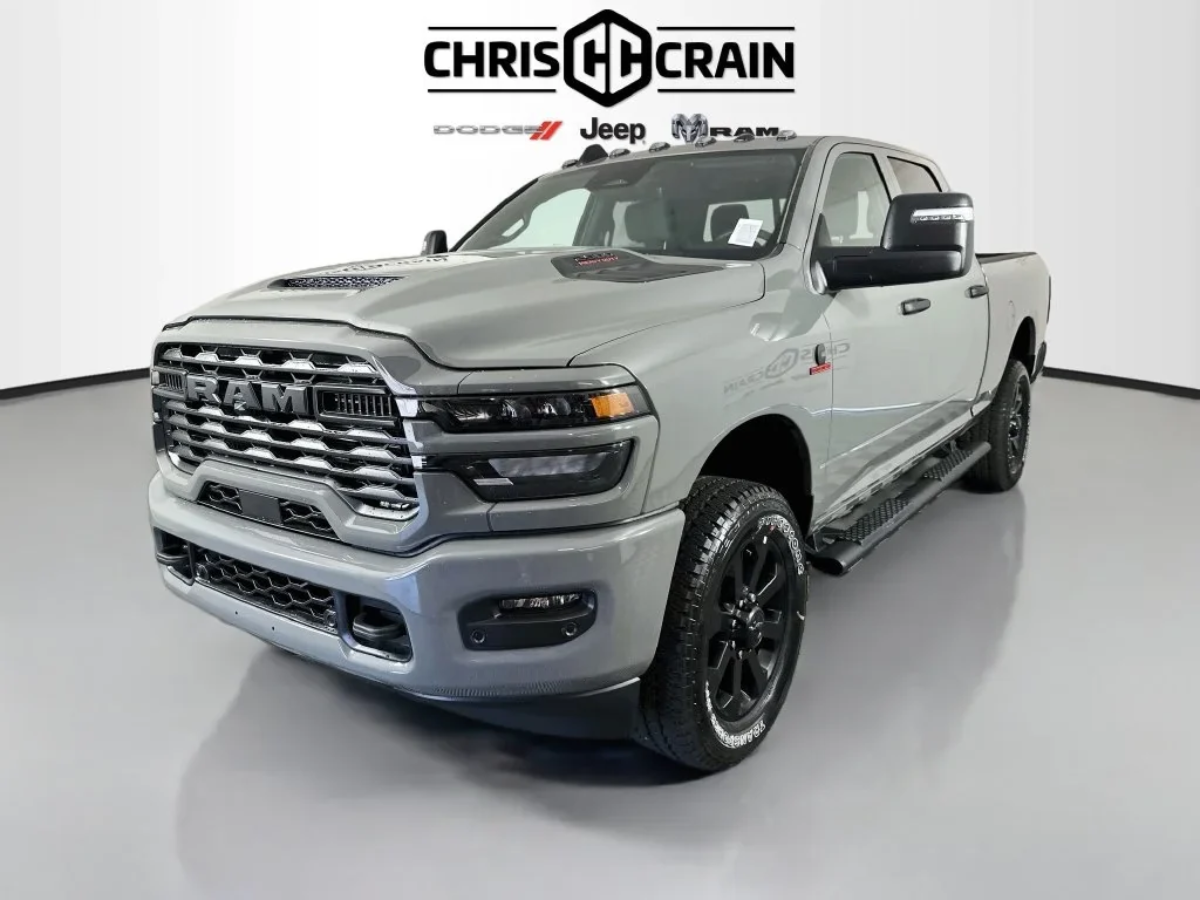
2027 RAM 1500 for sale in Benton, AR

Arkansas Duck Season: Best Trucks and Jeeps for Hunters

Arkansas is known as the duck hunting capital of the world. Every winter, hunters from across the country head to our flooded timber, rice fields, and river bottoms. If you live in Benton or anywhere in central Arkansas, you know the feeling of a cold, dark morning and the sound of wings overhead. The 2026-27 duck season runs in three parts: November 21-29, December 10-23, and December 26 through January 31, 2027. That gives you plenty of time to get out there. But before you load the decoys, ask yourself one question: Is your vehicle ready for the trip? At Chris Crain Dodge Jeep Ram in Benton, we know that the right truck or Jeep can make or break a hunt. Here is what to look for and which 2027 models we think are the best fit for duck hunters. What Duck Hunters Need in a Vehicle Duck hunting is hard on a vehicle. Boat ramps are slick. Levee roads turn to mud after one rain. Some mornings start well below freezing. A good hunting rig should handle all of that without a second thought. Here is what matters most: Four-wheel drive. Mud, wet grass, and steep ramps call for real 4x4 traction. Towing power. Most duck boats and mud motors ride on a trailer. You need enough muscle to pull them up a slick ramp. Cargo space. Decoys, blinds, waders, shotguns, and a dog crate take up a lot of room. Ground clearance. Ruts and puddles on back roads can hang up a low vehicle. Comfort features. Heated seats and a heated steering wheel feel great after hours in a cold blind. Good tires matter just as much as the vehicle. Check out our RAM tire pressure guide and our Jeep tire pressure guide before you head out. Cold weather drops tire pressure, so check yours often during the season. 2027 Ram 1500: The All-Around Hunting Truck The 2027 Ram 1500 is a great pick for most duck hunters. It rides smoothly on the highway, but it still has the strength to pull a boat through the mud. The 3.0L Hurricane twin-turbo engine can tow up to about 11,500 pounds when properly equipped. That is more than enough for a jon boat, a mud motor, and a trailer full of gear. You can also choose from several other engines, including the classic 5.7L HEMI V8. Here are a few 2027 updates hunters will like: Available 360-degree camera on more trims, including Laramie and Rebel. It makes backing a trailer down a dark boat ramp much easier. Available 2 kW onboard power with two 120V outlets in the bed on Pentastar V6 models. Plug in a spotlight, a heater, or a coffee maker at camp. RamBox delete option on Limited and Limited Longhorn trims for the widest possible bed. Want to go further off the beaten path? The Ram 1500 RHO is built for rough terrain. Read more in our Ram 1500 RHO features and specs blog. And if you plan to upgrade your tires for mud, see our Ram 1500 tire size guide. 2027 Ram 2500: For Big Boats and Heavy Loads If you pull a big boat, haul a side-by-side, or carry a full hunting camp, the 2027 Ram 2500 is the truck for you. This heavy-duty pickup is built to work hard all season long. The gas 6.4L HEMI V8 makes 410 horsepower. For even more pulling power, the available 6.7L Cummins High-Output turbo diesel makes 430 horsepower and a huge 1,075 lb-ft of torque. That kind of torque makes a steep, muddy ramp feel easy. New for 2027: The Payload Upgrade Package on most HEMI models increases payload capacity to up to 4,580 pounds. Power Wagon with Cummins diesel power for the first time. It comes with locking front and rear differentials, 34-inch tires, and a 31-gallon fuel tank good for about 600 miles of range. Standalone Warn winch available on HEMI Rebel and Power Wagon models. That is a lifesaver if you or a buddy gets stuck in a flooded field. Not sure if you need a half-ton or a heavy-duty truck? Our Ram 1500 vs. 2500 vs. 3500 comparison breaks down the differences among the models. Visit us today at Chris Crain Dodge Jeep Ram in Benton, AR!

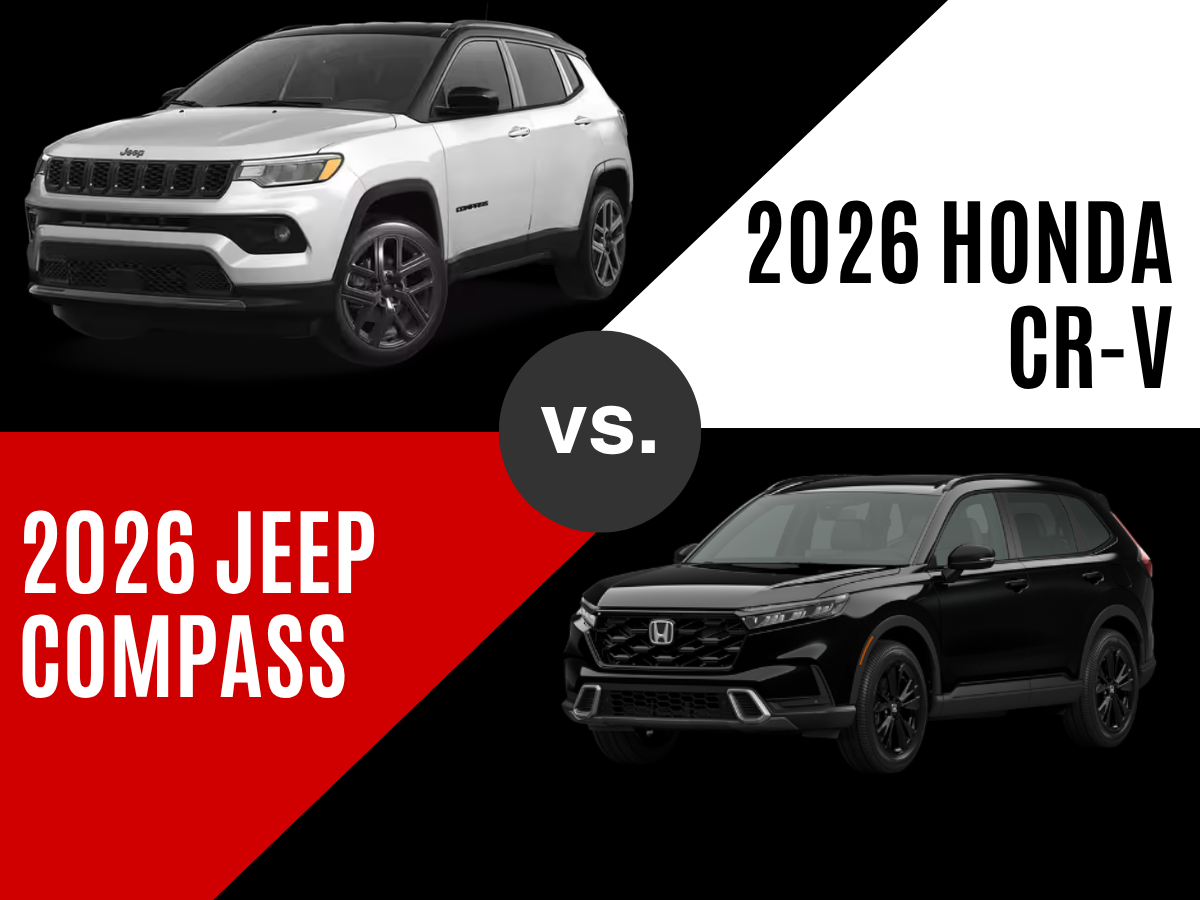
2026 Jeep Compass vs. 2026 Honda CR-V Blog by Chris Crain Dodge Jeep Ram in Benton, AR

2026 Jeep Compass vs. Honda CR-V: Which Small SUV Wins in Benton, AR?

Drivers in Benton, AR, who want a small SUV usually look at two names first: the Jeep Compass and the Honda CR-V. Both are compact SUVs built for daily driving, and both come packed with safety features and modern technology. But once you look past the badge, the two SUVs take very different approaches. In this guide, Chris Crain Dodge Jeep RAM compares the 2026 Jeep Compass and the 2026 Honda CR-V on design, performance, technology, and safety. Then we explain why we think the Compass is the smarter buy for drivers around Benton. Overview The 2026 Jeep Compass comes in six trims, from the Latitude up to the off-road-ready Trailhawk and the upscale Limited Altitude. Prices start at $29,550, and every single trim comes standard with four-wheel drive. The 2026 Honda CR-V offers seven trims, starting at $30,920 for the base LX and climbing to $42,550 for the loaded Hybrid Sport Touring. The CR-V's lineup is split between gas trims and hybrid trims, giving buyers more choices when it comes to fuel economy. Right away, the Compass has a lower starting price and gives every buyer four-wheel drive without paying extra for it. You can browse our current lineup on our new vehicle inventory page, or read more in our earlier post on what's new with the Jeep Compass. Design The Compass has the look Jeep is known for: a bold seven-slot grille, round headlights, and a boxy, rugged shape that hints at real off-road ability. The Trailhawk trim goes even further, with red tow hooks, unique badging, and a stance built for trails, not just parking lots. The CR-V has a smoother, more rounded shape that leans into a mainstream crossover look. It is a clean design, but it does not have the same rugged personality as the Compass. If you want an SUV that looks ready for more than just the school run, the Compass has the edge. Performance Every 2026 Compass uses the same 2.0-liter turbocharged four-cylinder engine, making 200 horsepower and 221 lb-ft of torque, paired with an 8-speed automatic transmission. That is more torque than the CR-V's base gas engine, and it comes with four-wheel drive standard on every trim, not just as an option on higher-priced models. The CR-V's base engine is a 1.5-liter turbocharged four-cylinder that makes 190 horsepower. Honda also offers hybrid trims that make 204 horsepower and reach around 40 mpg combined in front-wheel-drive form, which beats the Compass on fuel economy. Still, most CR-V trims come with front-wheel drive as the standard setup, with all-wheel drive costing more. For Benton drivers who deal with wet roads, gravel, or the occasional muddy trail, the Compass's standard four-wheel drive is hard to beat, no matter which trim you choose. Technology Step inside the Compass, and you will find an 8.4-inch touchscreen with wireless Apple CarPlay and Android Auto, along with heated front and rear seats available even on mid-range trims. The cabin seats five and offers 27.2 cubic feet of cargo space behind the rear seats, plenty of room for groceries, sports gear, or luggage for a weekend trip. The layout is straightforward and easy to use, without a lot of extra menus to dig through. The CR-V comes with a slightly larger 9-inch touchscreen, wireless smartphone integration, and a wireless charging pad standard across the lineup. Honda's infotainment system is a strong setup, and it is one area where the CR-V pulls ahead of the Compass on paper. That said, the Compass still gives Benton drivers everything they actually need day to day, at a lower starting price than the CR-V asks for its base trim. Safety Both SUVs take safety seriously. The Compass comes with a full suite of driver assistance features, including blind-spot monitoring, forward collision warning, and lane-keep assist, along with a standard rearview camera. Higher trims add more advanced safety tech and a hill descent control system, which is especially useful on the steeper roads found around Central Arkansas. The CR-V answers with Honda Sensing, a well-known suite that includes adaptive cruise control, lane-keeping assistance, and collision mitigation braking, standard across every trim. Honda Sensing is a strong, well-rounded system. The Compass matches it closely feature for feature, while also backing up its safety tech with the kind of standard four-wheel-drive grip that helps you avoid a slippery situation in the first place. Our Choice After comparing both small SUVs, we believe the 2026 Jeep Compass is the better choice for drivers in Benton, AR. It costs less to start, comes with four-wheel drive on every single trim, and offers real off-road ability through the Trailhawk model that the CR-V simply cannot match. The CR-V's hybrid fuel economy and slightly larger touchscreen are worth considering, but the Compass gives Benton drivers more capability and a lower price at the same time. Ready to see the 2026 Jeep Compass for yourself? Visit Chris Crain Dodge Jeep RAM in Benton to test drive one today, or check out our Fast Track My Deal tool to get started on financing before you even step onto the lot. Our team is also ready to help you find the right trim for your budget and driving needs, so stop by and see what makes the Compass a smart pick for Central Arkansas roads.