




If you grew up hearing "change your oil every 3,000 miles," you're not alone. That rule was common for years. But today's Jeep, Ram, and Dodge vehicles are built differently, and most of them can go much longer between oil changes.
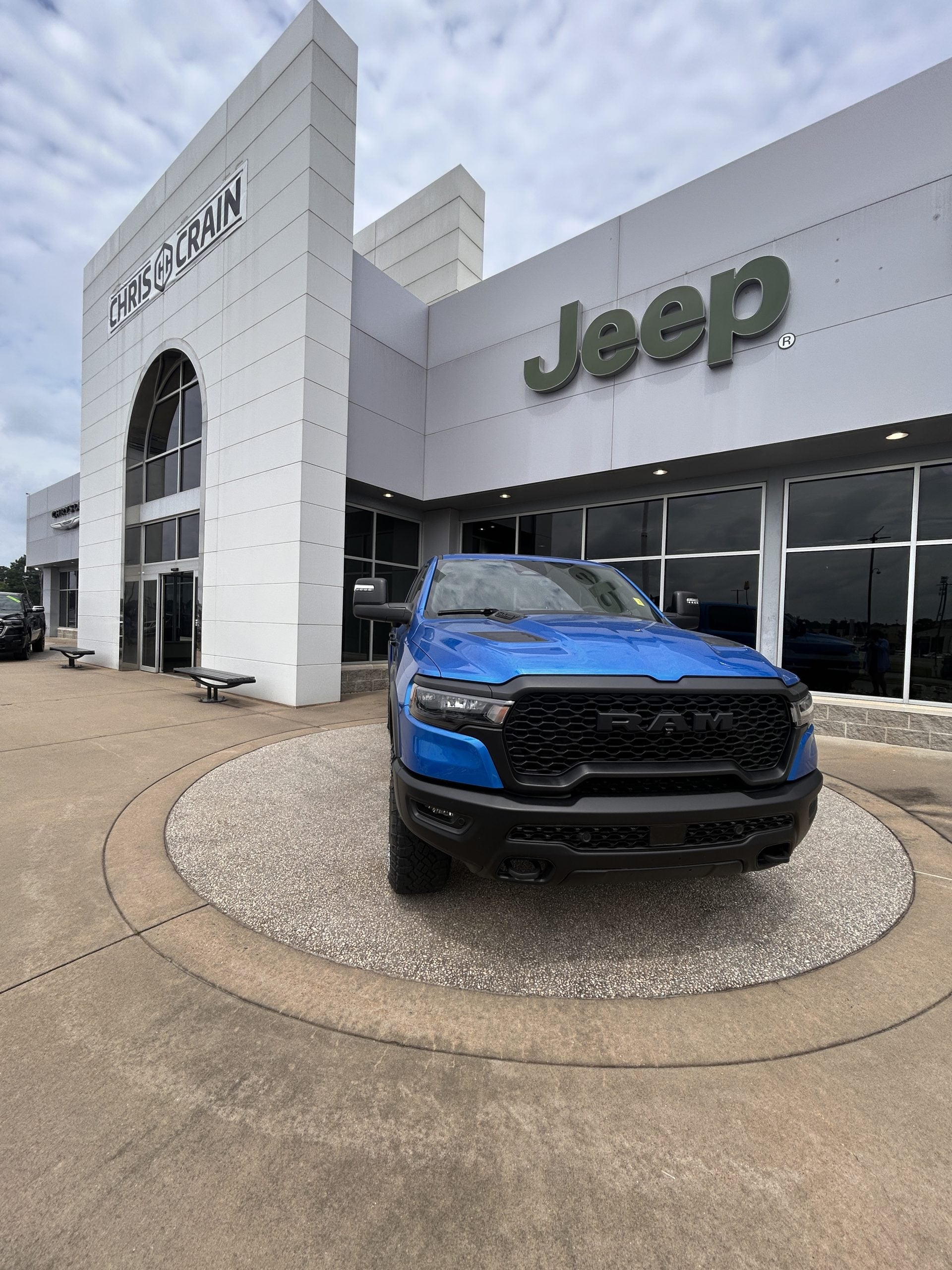
So how often should you really change your oil? The answer depends on your vehicle and how you drive it. Our team at Chris Crain Dodge Jeep Ram in Benton broke down the manufacturer's recommendations so you can keep your engine healthy without guessing.
TL;DR: Quick Oil Change Facts
-Most newer Jeep, Ram, and Dodge vehicles have an Oil Change Indicator that tells you when oil service is due.
-When the "Oil Change Due" or "Oil Change Required" message appears, Mopar recommends getting service within the next 500 miles.
-Mopar says that under normal driving, most vehicles average about 7,500 miles between oil changes.
-Mopar says you should never go more than 10,000 miles or 12 months between oil changes, whichever comes first.
-Towing, short trips, idling, dusty roads, and very hot or cold weather can mean you need oil changes sooner.
-Always check your owner's manual for the exact schedule for your model and engine.
Is the 3,000-Mile Rule Still True?
For most modern vehicles, no. Mopar, the parts and service brand for Chrysler, Dodge, Jeep, and Ram, says the old "every three months or 3,000 miles" rule is outdated for most vehicles today.
That's because engines and motor oils have improved a lot. Mopar says most modern Chrysler, Dodge, Jeep, and Ram vehicles require synthetic oil, which lasts longer and holds up better than older oils. Still, how you drive matters; some driving habits can mean you need oil changes more often.
How the Oil Change Indicator Works
Most newer Jeep, Ram, and Dodge vehicles come with an automatic Oil Change Indicator system. Instead of using a fixed mileage limit for every driver, this system considers how your engine is actually used.
When it's time for service, you'll see a message on your dashboard such as "Oil Change Due" or "Oil Change Required." According to Mopar, you should have your vehicle serviced within the next 500 miles after that message appears.
The owner's manual also notes that the system keeps track of engine run time. If your engine runs for 350 hours, the message will turn on even if you haven't driven many miles. This matters for drivers who spend a lot of time idling, like work truck owners.
After your oil change, the indicator needs to be reset. If you have your oil changed at an authorized dealer like ours, the technician will reset it for you.
The Maximum Time Between Oil Changes
Even if the Oil Change Indicator hasn't come on yet, there's still a limit. Mopar says you should never go more than 10,000 miles or 12 months between oil changes, whichever comes first.
That means if you don't drive much, you still need an oil change at least once a year. Oil breaks down over time, even when your vehicle is parked.
Keep in mind that some models have different limits. For example, heavy-duty Ram trucks and diesel engines may follow a different schedule. Your owner's manual lists the exact interval and oil type for your vehicle.
Driving Habits That Can Mean Earlier Oil Changes
Mopar lists several driving habits that can shorten the time between oil changes:
-Stop-and-go city driving or a lot of idling
-Towing a trailer or hauling heavy loads
-Very hot or very cold weather
-Dusty roads
-Hilly or mountainous driving
The owner's manual also lists frequent short trips. If you use your Ram to tow a boat to Lake Ouachita or take your Jeep down dusty back roads, your oil may need changing sooner. The good news is your Oil Change Indicator takes many of these conditions into account. Some owners' manuals also list a shorter oil change interval for severe-duty use, so check yours.
Check Your Oil Level Once a Month
The owner's manual recommends checking your engine oil level once a month or before a long trip. Here's how Mopar says to do it:
Park on level ground and turn off the engine.
Wait 5 to 10 minutes so the oil can settle.
Pull out the dipstick, wipe it clean, and push it all the way back in.
Pull it out again and look at the oil level. It should be within the crosshatch area.
If the level is low, add the oil type listed in your owner's manual.
Warning Signs Your Oil Needs Attention
Mopar lists these signs that your engine may be low on oil:
-Decreased performance
-Lower fuel economy
-Engine noise or overheating
-Blue or gray smoke from the exhaust
-A burning oil smell
Also pay attention to the red oil pressure warning light. Mopar says this light is serious. If it comes on, stop as soon as it's safe, turn off the engine, and check your oil level. Driving with low oil pressure can damage your engine.
Why Synthetic Oil and the Right Viscosity Matter
Mopar says synthetic oil offers better protection during cold starts and at high temperatures. It also resists breakdown longer than conventional oil.
Just as important is using the right viscosity, which refers to the oil's thickness, such as 0W-20 or 5W-30. Mopar says always to use the viscosity listed in your owner's manual and not to mix different viscosities. Using the wrong oil can affect how well your engine is protected.
Get Your Next Oil Change at Chris Crain Dodge Jeep Ram in Benton
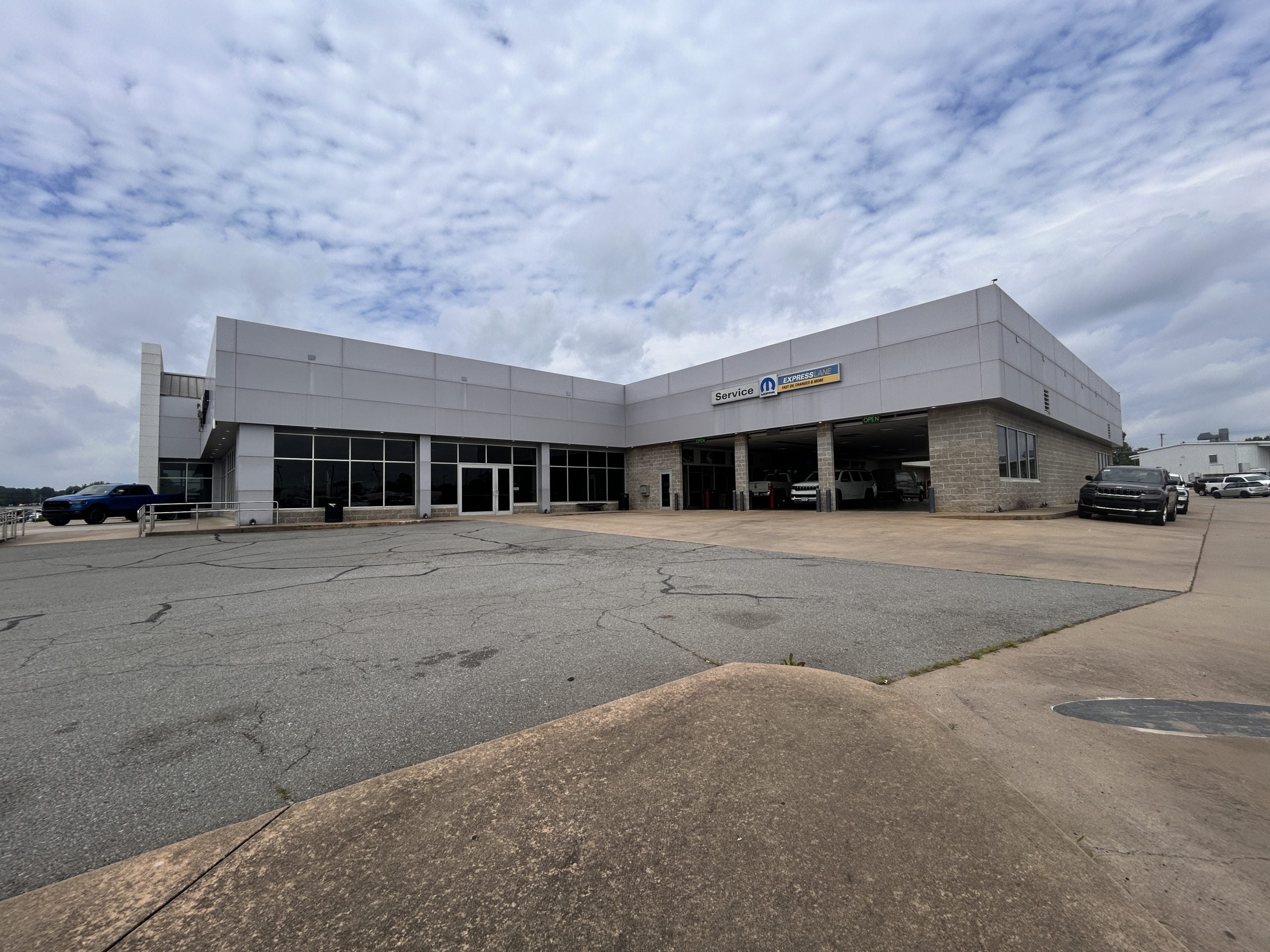
When your Oil Change Indicator comes on, our team is ready to help. Our certified technicians at Chris Crain Dodge Jeep Ram in Benton know how to use the right oil type your vehicle calls for. Need a quick visit? Learn more about our Express Lane.
Before you come in, check our latest service and parts specials to see current offers.
Visit us at 7800 Alcoa Road in Benton, call our service department at 501-403-0927, or schedule your oil change online today.