



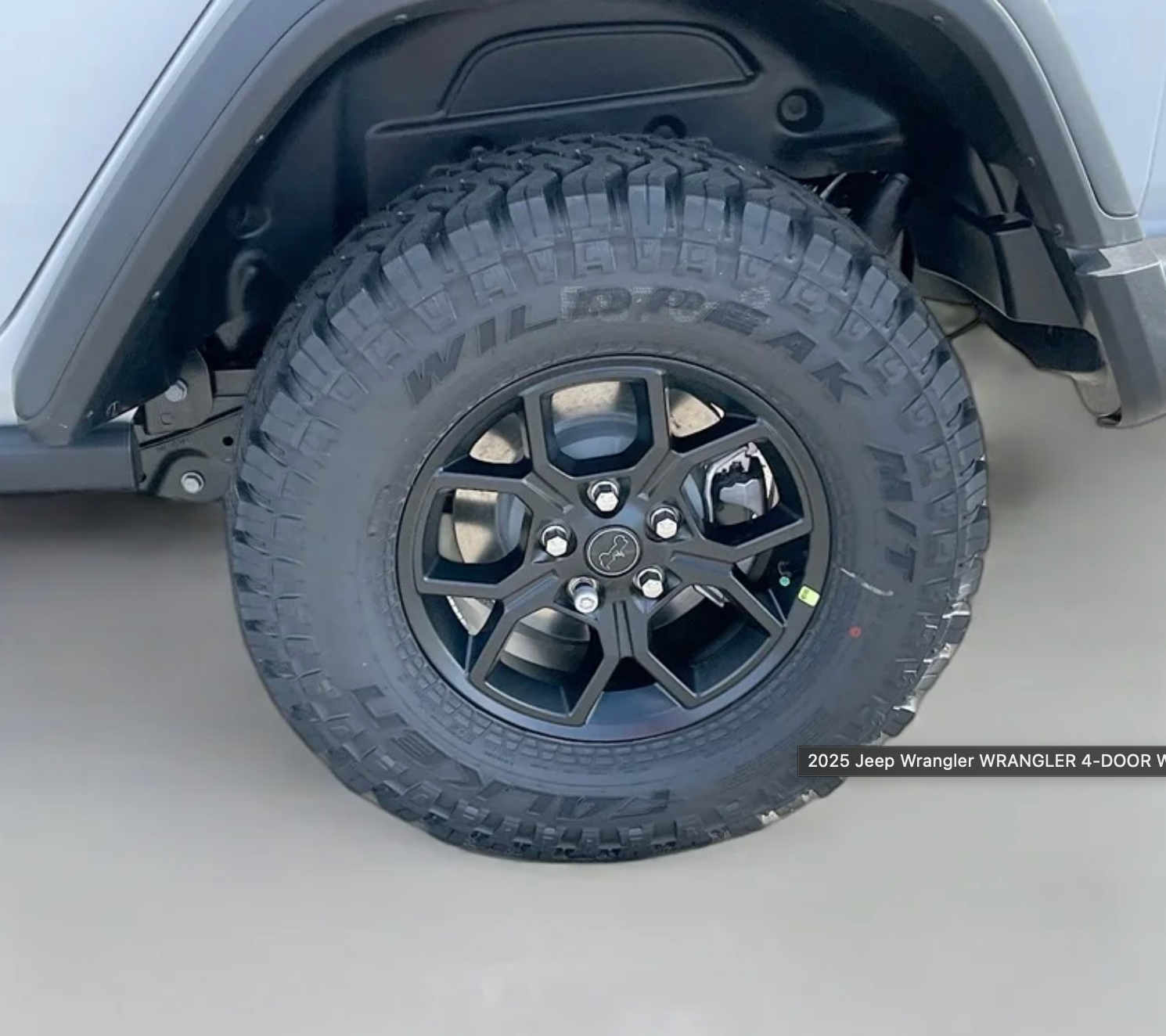
Why Tire Pressure Matters for Your Jeep
Whether you're exploring Arkansas backroads or cruising through Benton city streets, the right tire pressure is essential to keeping your Jeep safe, efficient, and high-performing. Underinflated or overinflated tires can impact fuel economy, ride quality, and even safety.
At Chris Crain Chrysler Dodge Jeep Ram Fiat, we want to help you stay road-ready. In this Jeep tire pressure guide, we’ll explain how to check your tire pressure, ideal PSI settings for popular Jeep models, and when to adjust based on terrain or load.
BROWSE OUR NEW JEEP INVENTORY HERE IN BENTON, AR!
What Happens If Tire Pressure Is Too Low or Too High?
Maintaining the correct tire pressure ensures:
- ✅ Better handling and control
- ✅ Shorter braking distances
- ✅ Improved fuel efficiency
- ✅ Even tire wear and longer tire life
- ✅ Less risk of blowouts or flats
Underinflated tires reduce fuel economy and cause sluggish steering. Overinflated tires may lead to poor traction and a bumpy ride — especially dangerous on rugged or wet roads. Always aim for the sweet spot defined by Jeep's engineering team.
Recommended Jeep Tire Pressure by Model
Different Jeep models have different tire pressure needs. Here are some general guidelines:
- Jeep Wrangler: 37 PSI (front and rear)
- Jeep Cherokee: 33 PSI (front and rear)
- Jeep Grand Cherokee: 36 PSI (front and rear)
- Jeep Compass: 35 PSI (front), 32 PSI (rear)
- Jeep Renegade: 35 PSI (front), 32 PSI (rear)
- Jeep Gladiator: Typically around 37 PSI (may vary by load/tire type)
👉 Always refer to your owner’s manual or the sticker inside the driver's door for the exact PSI recommendation for your model and trim.
How To Check Your Jeep’s Tire Pressure
Checking your tire pressure is quick and easy — and it can save you time and money in the long run.
Step-by-Step:
- Buy a tire pressure gauge — digital or analog models work great.
- Locate your recommended PSI inside the driver’s door or in the owner’s manual.
- Remove the valve cap from the tire.
- Press the gauge firmly onto the valve stem to get a reading.
- Compare the reading to the recommended pressure.
- Inflate or deflate as needed.
🔧 For best results, check tire pressure when tires are cold (before driving or after sitting for 3+ hours).
Adjusting Tire Pressure for Off-Roading, Towing & Weather
Jeeps are known for versatility — and that includes adapting tire pressure to different driving conditions:
🛞 Off-Roading
- Lower pressure improves traction on sand, rocks, and mud
- Don’t forget to reinflate before returning to pavement
🚚 Towing or Heavy Loads
- Slight pressure increase may be needed
- Always check the load index and tire limits — never exceed the maximum pressure listed on the tire sidewall
❄️ Cold Weather
- Every 10°F drop in temperature can lower tire pressure by about 1 PSI
- Check tires more often in fall and winter to avoid underinflation
Tire Pressure Tips for Arkansas Drivers
- 📅 Check tire pressure monthly, or before road trips
- 🚗 Rotate tires every 6,000–8,000 miles to promote even wear
- 🛠️ Watch for signs of wear like bald spots, sidewall cracks, or bulges
Schedule a Tire Service at Chris Crain CDJRF in Benton, AR
Need help keeping your Jeep tires in top shape? Our certified technicians at Chris Crain Chrysler Dodge Jeep Ram Fiat are here to assist with:
- ✅ Tire pressure checks and adjustments
- ✅ Tire rotations and replacements
- ✅ Alignment inspections
- ✅ Seasonal tire care and advice
📍 Schedule your tire service now and keep your Jeep adventure-ready.
Get expert tire care for your Jeep — right here in Benton. Trust the team at Chris Crain CDJRF for all your service needs.
📞 Call us today or visit our dealership to speak with a service advisor.